
Pads, aprons and slabs
Concrete Flatwork in Lyons, IL
Slabs at ground level for sheds, side yards, trash corrals and aprons, formed to grade and poured as thick as the job requires.
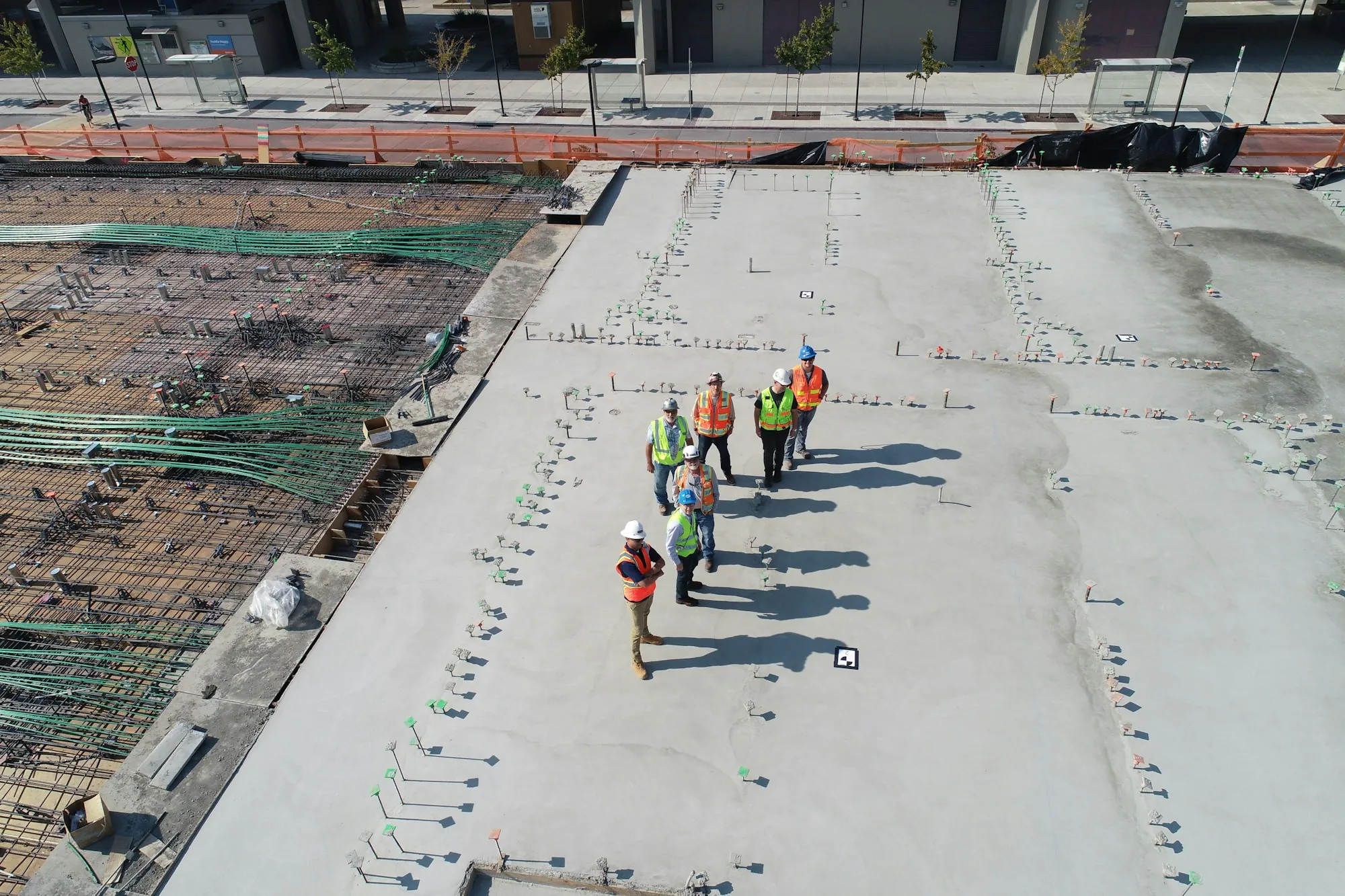
Plain Concrete, Done Carefully
Flatwork is the broad name for concrete poured flat on the ground: the pad a new shed sits on, a strip beside the garage where the bins live, an apron that ties a driveway to the alley, or a wider slab that turns a muddy side yard into usable space. It looks simple, and that is the reason it so often goes wrong. A slab poured over loose soil, laid too thin for what will rest on it or left without any pitch tends to settle, crack across the middle or hold a puddle every time it rains. We treat each piece of flatwork as its own small project. Before the price is written we measure the area, look at where water collects, ask what the slab will carry and check how a truck can reach it. Then the ground is dug to depth, stone is compacted underneath, forms are set to a slight fall, and the concrete is placed, finished and jointed so it wears evenly for years. Around Lyons, where clay soil keeps moisture close to the surface, that base work matters more than the finish on top.
What a Flatwork Job Includes
The size of the slab changes, but these steps are part of nearly every one we pour.
Tear-out of old concrete
Cracked or sunken slabs broken up, loaded and hauled away so the new pour starts on clean ground.
Excavation to depth
Topsoil and soft material removed down to firm soil, so nothing organic is left to rot and settle under the slab.
Compacted stone base
Crushed stone spread and packed in layers to give the concrete even support across its full area.
Forms set to a fall
Edges staked and leveled with a gentle slope that moves rain off the surface and away from buildings.
Reinforcement where it pays
Wire mesh or rebar added on slabs that carry weight or span softer ground, and explained in the price.
Finish and joints
A broom texture for grip or a smooth trowel finish, with control joints placed at measured spacing.
Curing and cleanup
The surface protected while it gains strength, forms pulled and the edges backfilled with soil.
How a Slab Comes Together
Measure and plan
We look at the spot, the drainage and the access, then talk through what the slab will carry. The written price lists thickness, base, reinforcement, finish and removal.
Prepare the ground
Old concrete comes out, the area is dug to depth, stone is compacted and forms go in at the grade that sends water away.
Pour and protect
The concrete is placed and finished, joints are cut, and the slab is kept from drying too quickly while it cures. Then the forms come out and the area is cleaned up.
Why Flatwork Customers Come Back
Thickness fitted to the load
A pad for a lawn mower and a pad for a hot tub are different slabs, and we pour them that way.
Water planned for
Every slab is pitched so rain has somewhere to go, which keeps the surface from scaling or heaving.
No surprises in the price
What is being dug, packed, poured and hauled away is written down before the first shovel goes in.
- Base compacted in layers
- Slope set before pouring
- Joints at measured spacing
- Old slab hauled away
Have a Spot That Needs a Slab?
Tell us the size, what it will hold and what is there now. We can usually talk you through thickness and base on the first call, then come out to measure.