
Thickness matched to the load
Concrete Contractor in Lyons, IL Pouring Slabs Sized for Their Work
Driveways, patios, walks, stamped surfaces and foundations, each poured at a depth chosen for what will rest on it and set over a compacted base that keeps the slab supported from edge to edge.
- Towns we pour inLyons, Riverside, Brookfield, McCook and Summit
- Work we take onDriveways, patios, walks, stamped concrete and foundations
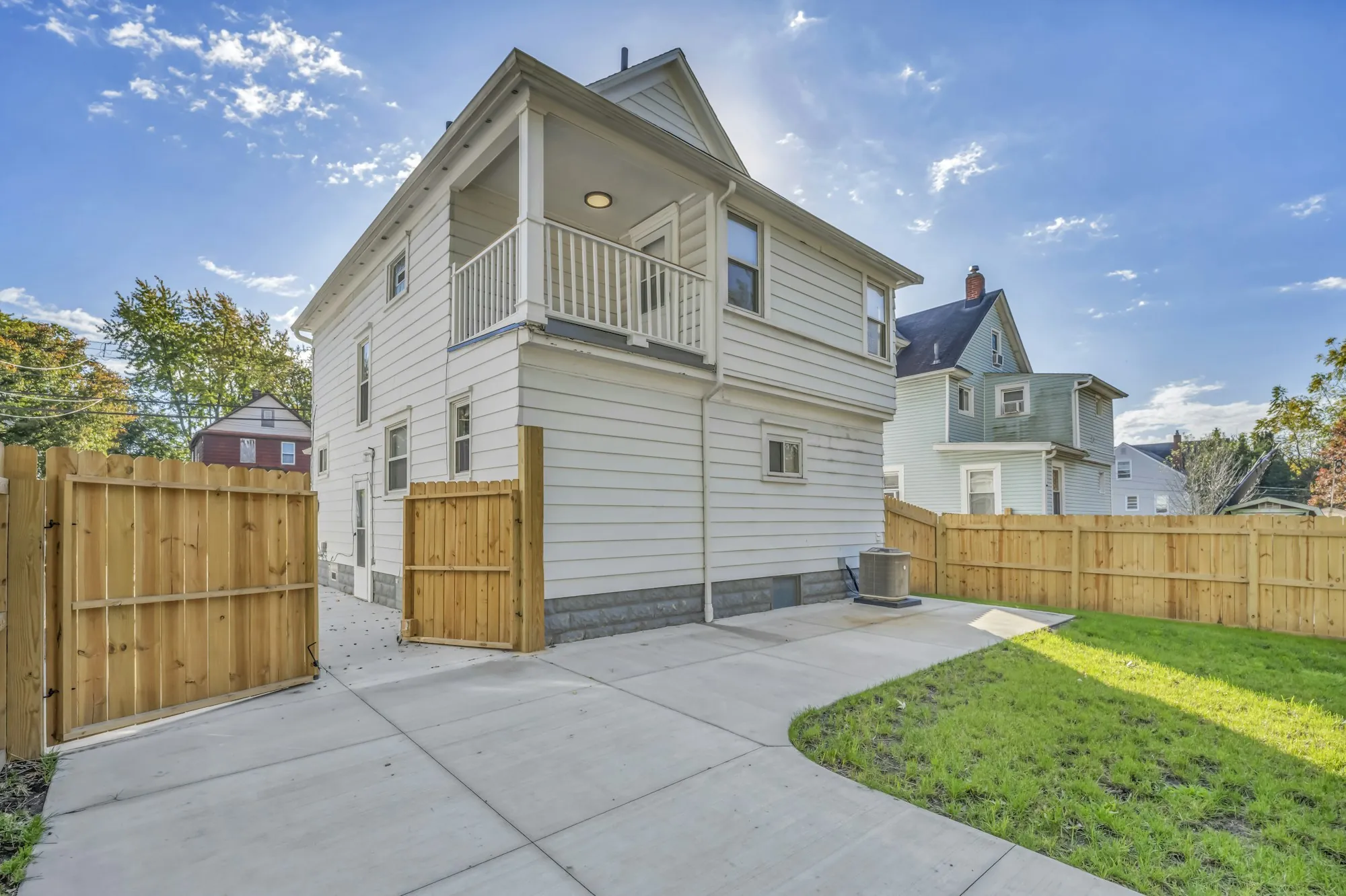
What every pour starts with
Depth chosen for the use
A walk, a patio and a driveway carry different weight, so each one is formed to its own thickness.
Gravel compacted in lifts
The stone underneath is spread and packed in layers so the slab rests on something firm.
Pitch set before the pour
Forms are graded so rainwater runs off the surface and away from your foundation wall.
Price spelled out on paper
Thickness, base, finish and removal of the old slab are written down before anyone digs.
Yard handed back tidy
Broken concrete hauled off, forms pulled and the edges backfilled when the work is done.
Concrete Work for Lyons Homes and Businesses
Most of what we pour falls into seven kinds of work. Each one below names the job and the part of it that decides how long the concrete lasts, so you can see where your project fits before you pick up the phone.
Concrete Flatwork
Pads, aprons and slabs at ground level, from a spot for a shed or a trash enclosure to a wider stretch of concrete beside the house. Each is formed to grade, reinforced where it needs it and finished to shed water.
Concrete Foundations
Footings, walls and slabs that carry an addition, a detached garage or a porch. The excavation, the steel and the pour follow the drawings, because everything built above depends on what goes in here.
Stamped Concrete
Concrete pressed and tinted to read as slate, fieldstone, brick or weathered plank, then sealed as the last finishing step. It gives a patio or walk the look of stone set by hand while staying one continuous surface.
Concrete Walkways & Sidewalks
Front walks, side paths to the gate and sidewalk sections replaced where the old ones have heaved or crumbled. Each run gets a slight cross slope and joints spaced to keep cracking in straight lines.
Concrete Patios
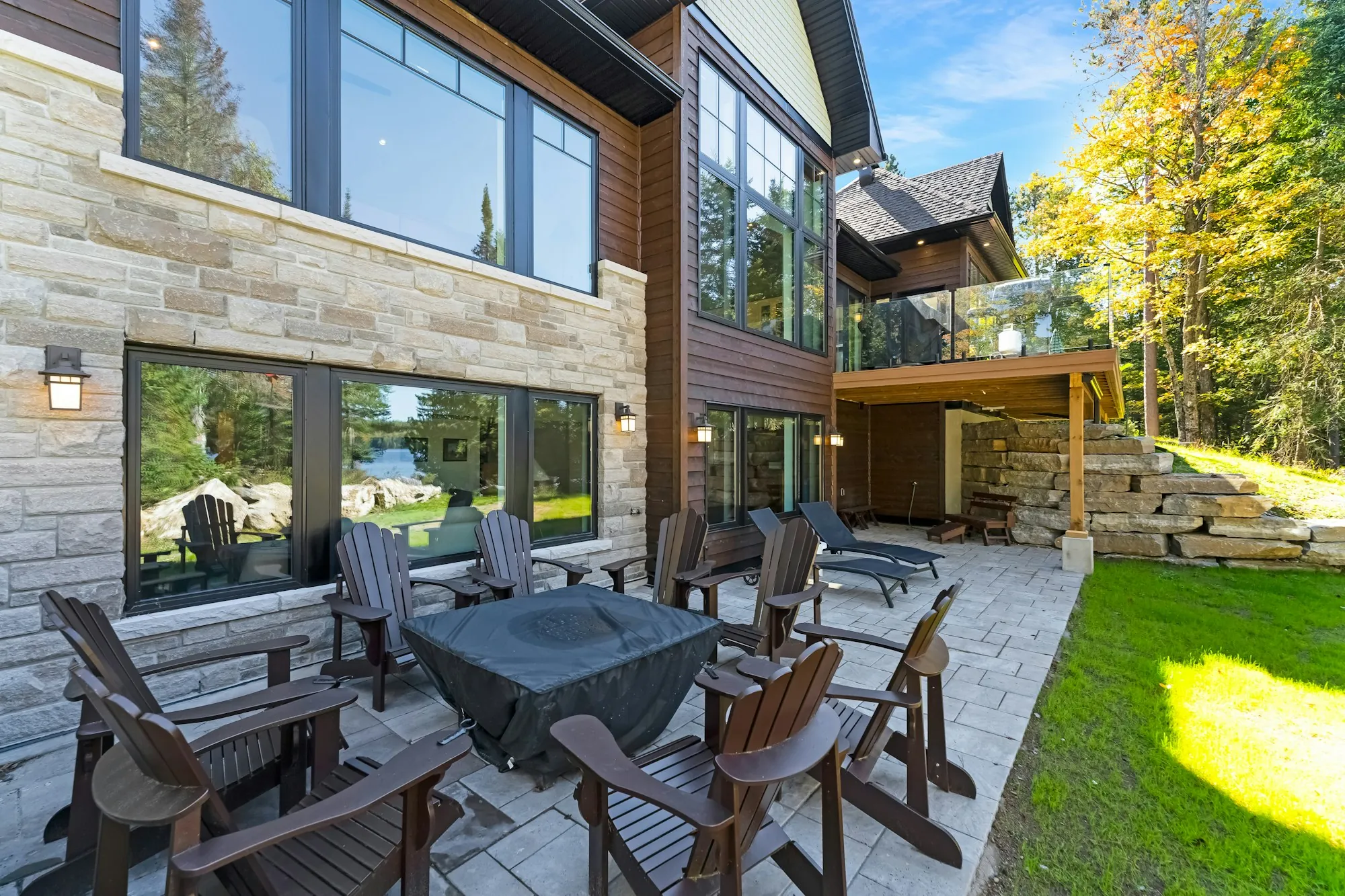
Broom-finished, smooth or stamped patios sized around the table, the grill and the way you actually use the yard, pitched gently so rain drains toward the lawn and not the back wall.
Concrete Driveways
Old driveways broken out and hauled away, the ground dug to depth, a compacted base laid and new concrete poured thick enough for the cars, vans or pickups that will park on it every day.
Commercial Concrete
Sidewalks, equipment pads, dumpster pads and flatwork for shops, offices and apartment buildings, planned around tenants, deliveries and the hours your doors are open.
Four Stages Between Your Call and a Cured Slab
A conversation about the job
You tell us what is there now, roughly how big the area is and what the new concrete has to carry, whether that is foot traffic, patio furniture or a pickup truck. From that we can tell you what kind of slab makes sense and set a time to come out.
Measuring on site, then a written price
We walk the area, measure it, look at where water goes when it rains and check how a truck and crew will reach it. The price that follows lists the thickness, the base, any reinforcement, the finish and the tear-out, so you know exactly what is being built.
Digging, base and forms
Old concrete comes out and goes in the truck. The ground is dug to the depth the slab needs, stone is spread and compacted, and forms are set to the grade that carries water away. This is the part nobody sees later and the part that decides how the slab behaves for years.
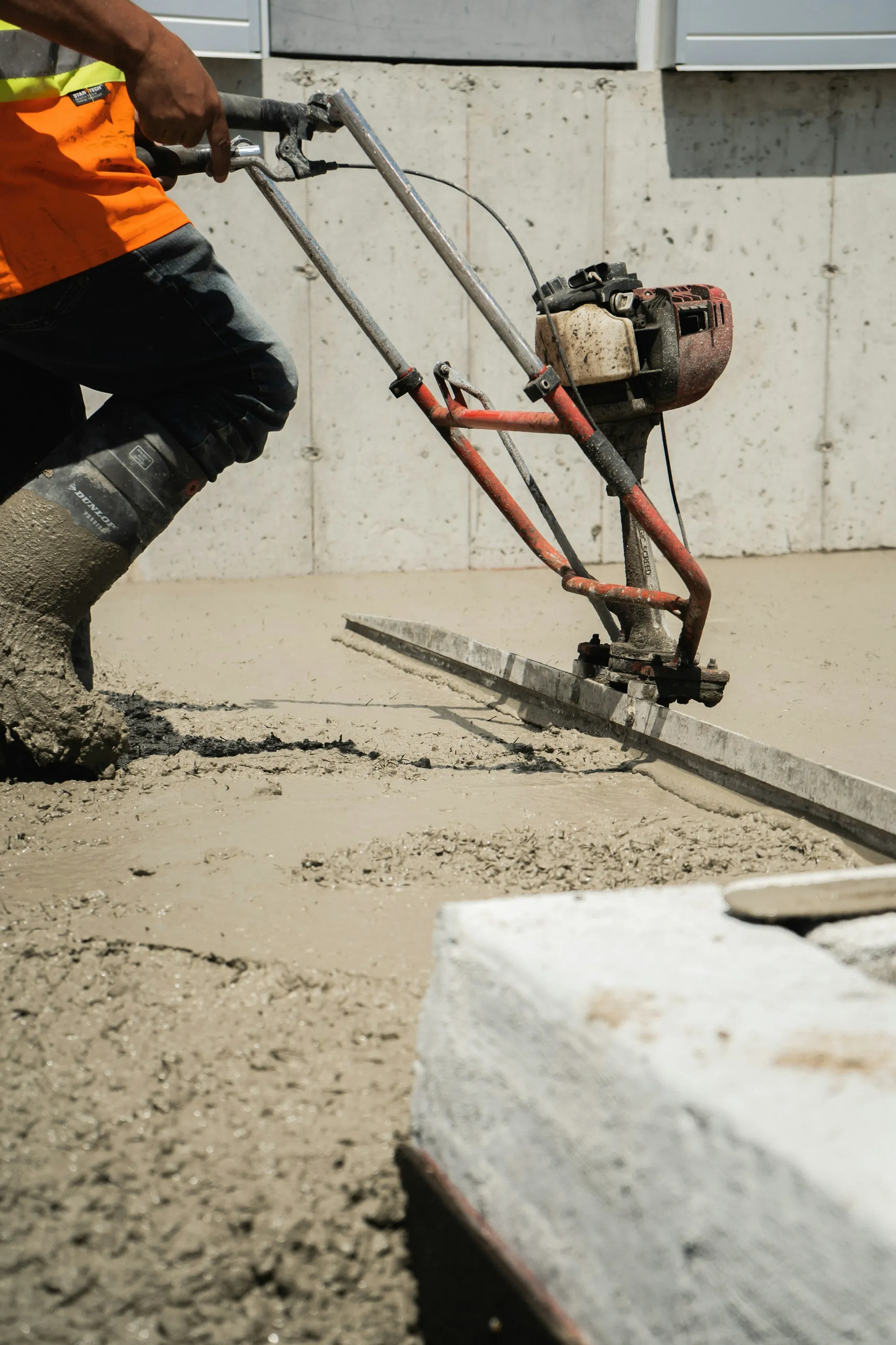
Pouring, finishing and curing
The concrete is placed, struck off and finished with a broom texture, a smooth trowel or a stamp pattern. Control joints go in while it is still workable, the surface is protected while it gains strength, and the forms come out before we leave the site clean.
Why Homeowners Around Lyons Trust Us With the Pour
A slab that holds up comes down to a handful of things done carefully, and to a company that stands behind the result. These are the ones we hold ourselves to on every job.
Control joints laid out with intent
Concrete shrinks as it cures and moves with the seasons, so some cracking is natural. We plan where it happens by cutting or tooling joints at measured spacing, so any crack follows a straight, shallow line instead of wandering across the middle of your patio.
Curing given the time it needs
Fresh concrete is kept from drying too fast in summer and protected from cold when the season turns. That patience is what lets the surface harden fully and stand up to salt and freezing without flaking.
A job site you will not have to clean
The old slab is broken up and hauled away, forms are pulled, loose soil along the edges is raked and backfilled, and the street in front of your home is swept before the crew drives off.
Class A Chicago Masonry and Concrete license
The company holds a Class A Chicago Masonry and Concrete license, the credential the city issues to contractors doing masonry and concrete work, so the crew pouring your concrete is a properly credentialed outfit.
Eight months of coverage on cracks
Any crack wider than 1/8 inch that shows up within 8 months is covered by our warranty. We fill and patch it with a concrete repair sealant, and on stamped concrete we repair it with an overlay so the pattern still reads cleanly.
Pouring in Lyons and the Villages Along the Des Plaines River
Lyons sits where Ogden Avenue and Joliet Road cross near the Des Plaines River, with Harlem Avenue running north toward Berwyn and the Stevenson Expressway a few minutes south. That puts older brick bungalows, newer infill homes and a good stretch of commercial frontage all within a short drive of each other, and we pour for all of them. Our crews work throughout Lyons and the neighboring Cook County villages: Riverside and Brookfield to the north and west, McCook, Hodgkins and Summit to the south, Forest View, Stickney and Bedford Park to the east, and La Grange out along the Ogden Avenue corridor. The heavy clay soils that run through this part of the county are exactly why we take base depth and compaction so seriously.
Older lots, narrow access
Many homes near the river sit on tight lots with a gangway or an alley as the only way in. We plan the tear-out, the forms and the truck placement around that before the price is written.
Ground that holds water
Low ground and clay soil keep moisture near the surface. A deeper stone base and a careful pitch keep new concrete from settling or holding puddles.
One number for every village
Brookfield, Summit, Stickney or La Grange, the same crew lead answers (708) 590-4423 and stays on your job from the first measurement to the last swept sidewalk.
Villages we pour in
- LyonsOgden Avenue & Joliet RoadHome base
- RiversideHarlem Avenue
- BrookfieldOgden Avenue
- McCookJoliet Road
- SummitArcher Avenue & Harlem Avenue
- Forest View47th Street
- StickneyPershing Road
- BerwynOgden Avenue & Cermak Road
- Bedford ParkArcher Avenue & Cicero Avenue
- La GrangeLa Grange Road & Ogden Avenue
- HodgkinsJoliet Road & I-55
Your street not on the list? If it is in the near west or southwest suburbs, there is a fair chance we already pour nearby. Ask when you call.
Ask whether we pour on your street: (708) 590-4423The Right Slab Starts With the Right Depth
A patio poured like a walk, or a driveway poured like a patio, starts failing before its time. A short call is enough for us to tell you what thickness and base your project calls for and what goes into the price.
Get your concrete price by phone: (708) 590-4423Plain answers, and nothing to sign while we talk.
What Lyons Homeowners Ask Before a Pour
These are the questions that come up most often on the phone, answered the way we would answer them in your driveway.
Is stamped concrete slick when it gets wet?
It can be a little smoother than broom-finished concrete, especially once it is sealed. We reduce that by choosing patterns with real texture and by mixing a fine anti-slip grit into the sealer on walks and patios that see rain. Around doors and along the main walking path, that grit makes a noticeable difference underfoot.
What does stamped concrete need from me once it is in?
Very little day to day: sweep it, rinse it with a hose and wash off spills such as grease before they soak in. The sealer applied at finishing slowly wears from sun and traffic, so plan on having it renewed every few years to keep the color rich. Avoid harsh deicing salts in the first winter and use sand for grip instead.
What goes underneath a new slab?
Compacted crushed stone, set on firm undisturbed soil. We dig out topsoil and anything soft, spread the stone and pack it in layers so the concrete rests evenly across its whole area. On clay ground, which is common here, that base is what keeps the slab from settling or heaving as the seasons change.
What decides the price of a concrete driveway?
Size and thickness come first, followed by whether an old driveway has to be broken out and hauled away. Base depth, reinforcement, the finish you choose and how easily a truck can reach the area all play a part. Once we have measured, every one of those items is written into the price so you can see what you are paying for.
How long until I can walk or park on the new concrete?
Light foot traffic is usually fine after a day or two. Cars should wait about a week, and heavier trucks longer, because concrete keeps gaining strength for roughly a month. We give you the exact timing for your pour, since temperature changes how quickly it sets.
Is there any coverage if the new concrete cracks?
Yes. Cracks wider than 1/8 inch that appear within 8 months of the pour are covered by our warranty. We repair them by filling and patching with a concrete repair sealant, and on stamped concrete we use an overlay so the finished pattern still looks right.
Will my grass and garden beds survive the project?
We keep the work zone as tight as the job allows and plan the truck route before the day of the pour so equipment does not roll across the lawn more than it has to. Some disturbance right along the forms is unavoidable. When the forms come out we backfill and rake those edges so the yard is ready to reseed or replant.
Can I get concrete in a color other than gray?
Yes. Color can be mixed through the concrete before it arrives, or applied to the surface during stamping to give it depth and variation. We show you samples first and help you pick a tone that suits the brick, siding and roof of your home.
How many years should a poured foundation last?
A foundation that is designed, reinforced and poured correctly is meant to last as long as the building it supports. What shortens that life is water, poor drainage and footings set too shallow for the frost line. We pour to the plan and pay attention to grading so water moves away from the new walls.
Does stamped concrete justify what it costs over plain concrete?
For many homeowners it does. It costs more than a broom finish because of the color, the stamping labor and the sealer, but it gives the look of stone or brick as one solid surface with no individual pieces to shift or weed. For a front walk or a patio you see every day, that finished look is usually what people are paying for.
A Lyons Concrete Crew That Measures Before It Prices
Concrete Contractor Lyons works on a simple belief: the slab you live with for years is decided in the parts nobody sees. So the digging goes deep enough, the stone gets compacted, the thickness fits the load and the curing is not rushed. Driveways, patios, walks, stamped surfaces, foundations and commercial flatwork all get that same steady attention.
Read about how we work
Plan a Slab That Carries What You Put on It
Describe what you want poured and what it has to hold. We will talk through thickness, base, finish and what the price covers, all on one call.
Pouring in Lyons and the surrounding Cook County villages.